
School Hygiene Standards and Tile Care
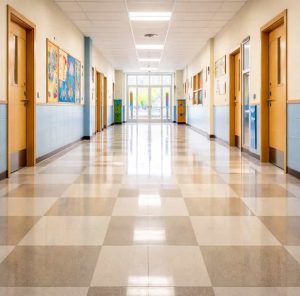 Schools carry a quiet responsibility. Beyond teaching reading and math, they must keep children safe and healthy every day. Clean classrooms, restrooms, cafeterias, and hallways are not just about appearance, and many institutions look to best tile cleaning Brisbane services as a benchmark for maintaining high standards. These spaces affect student health, attendance, and even academic performance. At the center of this effort are clear hygiene standards and proper tile care.
Why School Hygiene Standards Matter
Children spend six to eight hours a day in school buildings. That means shared surfaces, crowded rooms, and constant foot traffic. Germs spread quickly in these conditions. Without firm hygiene standards, illnesses move from one student to another and then into families and communities.
Good hygiene standards reduce the spread of viruses and bacteria. They also prevent mold growth, control allergens, and limit pest problems. When cleaning routines are consistent and documented, schools can respond quickly to outbreaks and seasonal illnesses.
But hygiene standards are not just about cleaning more often. They are about cleaning correctly. Staff need clear protocols for disinfecting high-touch surfaces such as door handles, desks, railings, and light switches. Restrooms must be sanitized multiple times a day. Cafeterias require strict food safety practices. Gym floors and locker rooms need regular deep cleaning to prevent fungal infections and odor buildup.
Consistency is what makes standards effective. A written cleaning plan, scheduled inspections, and routine audits keep everyone accountable. Without structure, even well-meaning efforts fall apart.
The Overlooked Role of Floors
Floors are easy to ignore. They sit beneath everything else. Yet they collect dirt, moisture, bacteria, and debris all day long. In schools, floors endure heavy wear from hundreds or even thousands of students moving through the building daily.
Tile flooring is common in schools for good reason. It is durable, cost-effective, and relatively easy to maintain. You’ll often see ceramic tile in restrooms, porcelain tile in hallways, and quarry tile in kitchens. Each type serves a purpose, but all require proper care.
When tile care is neglected, problems build slowly. Grout lines darken. Surfaces become slippery. Cracks appear. Water seeps below the surface. What begins as a small maintenance issue can turn into mold growth or structural damage.
Clean, well-maintained tile floors also influence how a school feels. Students and staff notice when floors look dirty or damaged. A clean environment signals that the school values health and safety.
Daily Tile Cleaning Practices
Daily cleaning is the foundation of tile care. Dry dust mopping should happen at least once a day in classrooms and hallways. This removes grit and small debris that can scratch tile surfaces over time.
Wet mopping should follow with a neutral pH cleaner. Harsh chemicals may seem like a quick fix, but they can break down grout and dull the finish. Schools should avoid bleach-heavy solutions for routine floor care unless disinfecting is specifically required.
In restrooms and kitchens, cleaning must be more frequent. These areas deal with moisture, spills, and organic waste. Slip resistance matters here. If soap residue builds up on tile, it creates a hazard. Staff should rinse floors thoroughly to prevent film buildup.
Using microfiber mops instead of traditional string mops can improve results. Microfiber holds dirt more effectively and reduces cross-contamination between rooms. Equipment itself must be cleaned regularly. A dirty mop spreads bacteria rather than removing it.
Grout Maintenance and Deep Cleaning
Grout is often the weak point in tile systems. It is porous and absorbs moisture easily. Over time, this leads to staining and bacterial growth.
Sealing grout after installation helps protect it. However, sealants wear down. Schools should schedule resealing every one to two years, depending on traffic levels. High-traffic areas may need more frequent attention.
Deep cleaning should take place during school breaks. This may include machine scrubbing with appropriate cleaning solutions. In kitchens, steam cleaning can remove embedded grease. In restrooms, targeted disinfecting treatments are necessary to eliminate odor-causing bacteria.
If grout becomes cracked or missing, repairs should not be delayed. Water intrusion beneath tiles can lead to loose flooring and expensive subfloor damage. Early repairs are far less costly than full replacement.
Slip Resistance and Safety
Student safety is directly tied to floor condition. Wet tile can be slippery, especially in entryways during rainy or snowy weather. Schools should use entry mats to capture moisture and dirt before it spreads inside.
Slip-resistant tile finishes are a smart investment in areas like locker rooms and pool facilities. Routine testing of floor traction can identify risks before accidents happen.
Cleaning staff must also understand that too much polish or wax can create slick surfaces. In most cases, tile does not require wax. Applying it simply adds maintenance work and may compromise safety.
Training and Communication
Even the best hygiene plan fails without training. Custodial staff should understand which products to use, how to dilute them properly, and how long disinfectants must remain on surfaces to be effective.
Teachers and students also play a role. Encouraging handwashing, reporting spills quickly, and respecting shared spaces reduces the burden on maintenance teams.
Open communication between administrators and facilities staff helps identify problem areas early. If a hallway consistently floods during heavy rain, it should not be ignored. Long-term solutions protect both the building and its occupants.
Budget Considerations
Some schools delay maintenance due to budget limits. That is understandable, but postponing routine tile care often leads to larger expenses later. Replacing damaged tile, repairing water damage, or addressing mold remediation costs far more than preventive maintenance.
A realistic maintenance budget should include daily cleaning supplies, equipment upkeep, periodic deep cleaning, and grout resealing. Planning ahead allows schools to spread costs over time rather than facing emergency repairs.
A Clean Floor Reflects a Healthy School
Hygiene standards and tile care may not be visible in lesson plans, but they shape the school experience. Clean floors reduce illness, prevent injuries, and create an environment where students can focus on learning.
It comes down to routine. Clear standards. Proper products. Regular inspections. When schools commit to structured hygiene practices and consistent tile maintenance, they protect both their buildings and the people inside them.
And that is not a minor detail. It is part of providing a safe, functional place where students can grow without unnecessary health risks standing in their way.