

Smart Fabrics and Tradition: How Chinese Dresses Are Adapting to Textile Innovation
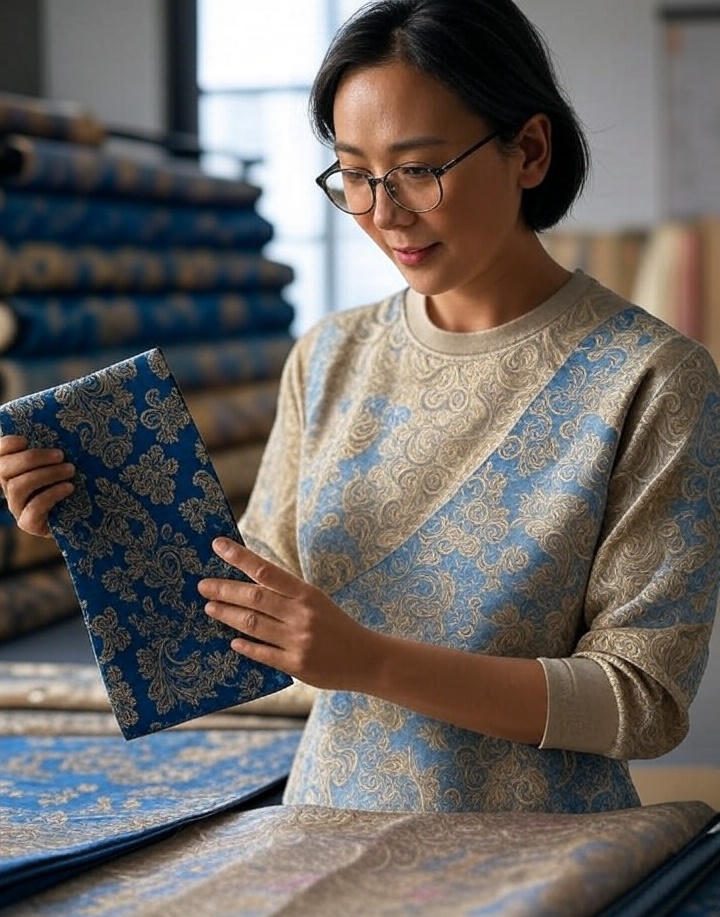 Chinese garments like the qipao have existed for centuries, yet they are now being reimagined through smart textile technology. These traditional dresses are more than just clothing. They represent history, identity, and cultural pride. Today, innovation is adding a new layer of meaning and utility to these iconic garments, creating a fusion of heritage and high-tech design.
New fabric technologies are transforming how these garments feel, perform, and age. A modern robe (or qipao) can now be crafted with antibacterial threads, breathable weaves, and moisture-wicking properties. These features make traditional dresses more comfortable for everyday use without changing their distinctive look and elegance.
Modern Comfort Meets Classic Design
Fashion designers are working hard to preserve traditional Chinese aesthetics while embracing cutting-edge materials. The high collar, fitted shape, and side slits of the qipao remain untouched. What changes is the fabric itself, which can now respond to temperature, reduce odor, and resist wrinkles. These upgrades make the dress more practical and comfortable while still honoring its roots.
Thermal regulation is one of the most popular features being added to modern Chinese dresses. Some textiles are designed to keep the wearer cool in the summer and warm in the winter. This is especially useful during formal events or long ceremonies where comfort is essential. The wearer can feel confident, stylish, and at ease, regardless of the climate.
Innovations Behind Smart Textiles
Smart textiles are designed with performance in mind, making garments do more than just look good. Here are some of the key advancements being used in modern Chinese dresses:
- Temperature control: Fabrics that help regulate body heat for year-round comfort.
- Moisture-wicking technology: Keeps sweat away from the skin, especially useful for long events.
- Antibacterial fibers: Reduce odors and help maintain freshness throughout the day.
- UV protection: Shields the skin from harmful sun rays without the need for extra layers.
These technologies are carefully integrated into the fabric so the overall appearance of the dress remains elegant and traditional. The qipao still looks like a qipao. It just feels much better to wear, especially for extended periods or in extreme conditions.
The New Role of Chinese Fashion
Chinese fashion is evolving into a space where culture and innovation support each other. Local designers are teaming up with textile engineers to produce garments that are both culturally respectful and technically advanced. Some are even experimenting with sustainable materials like recycled fibers mixed with smart technology. This approach not only modernizes the clothing but also addresses environmental concerns.
Wearable technology is starting to make subtle appearances in traditional garments as well. A few experimental pieces include sensors that track posture or body temperature, giving real-time feedback to the wearer. These innovations are not yet mainstream, but they show the direction Chinese fashion may be heading in the years to come.
Wearable technology is also starting to make subtle appearances in traditional garments. Experimental designs include micro‑sensors that monitor posture or body temperature, giving real‑time feedback to the wearer that reflects the same spirit of interactive learning with virtual technology explored in children’s museum exhibits
Bridging Generations and Cultures
Smart fabrics improve comfort and help bridge generations. Younger people, especially those living outside of China, are more likely to wear traditional garments that offer modern features. A smart qipao feels more relevant, making it easier to connect with their cultural heritage while living a contemporary lifestyle.
This shift is also attracting attention from international fashion houses. Designers across the globe are incorporating elements of Chinese dress into their collections. With smart textiles, these garments are becoming more than cultural symbols. They are becoming globally relevant fashion statements that combine beauty and function.
The Future of Tradition
The fusion of smart fabrics and traditional design is just getting started. Future Chinese dresses may feature even more advanced materials that adapt to the wearer’s activity level or change color in response to mood or surroundings. Some may even include embedded solar panels or energy-storing fabrics. While these ideas are still in development, they show how tradition and technology can continue to grow together.
Chinese dresses like the qipao are not being replaced, but they are being redefined. Thanks to advances in smart textiles, these garments are stepping into a future where heritage meets performance. It is a sign that respecting the past does not mean resisting progress. Instead, it opens the door to something new, useful, and deeply meaningful.
Conclusion
The charm of traditional Chinese clothing remains strong, but now it comes with added comfort, function, and innovation. Smart fabrics are helping to preserve the beauty of garments like the qipao while making them more suitable for modern life. This balance between culture and science is creating a new path for fashion, one where tradition thrives, supported by technology.
 Managing several office or wellness locations across cities can get complicated. Businesses and service providers often deal with scattered data, inconsistent communication, and disconnected systems. But today, science and technology offer a more unified solution: integrated community platforms that help manage multiple sites more efficiently.